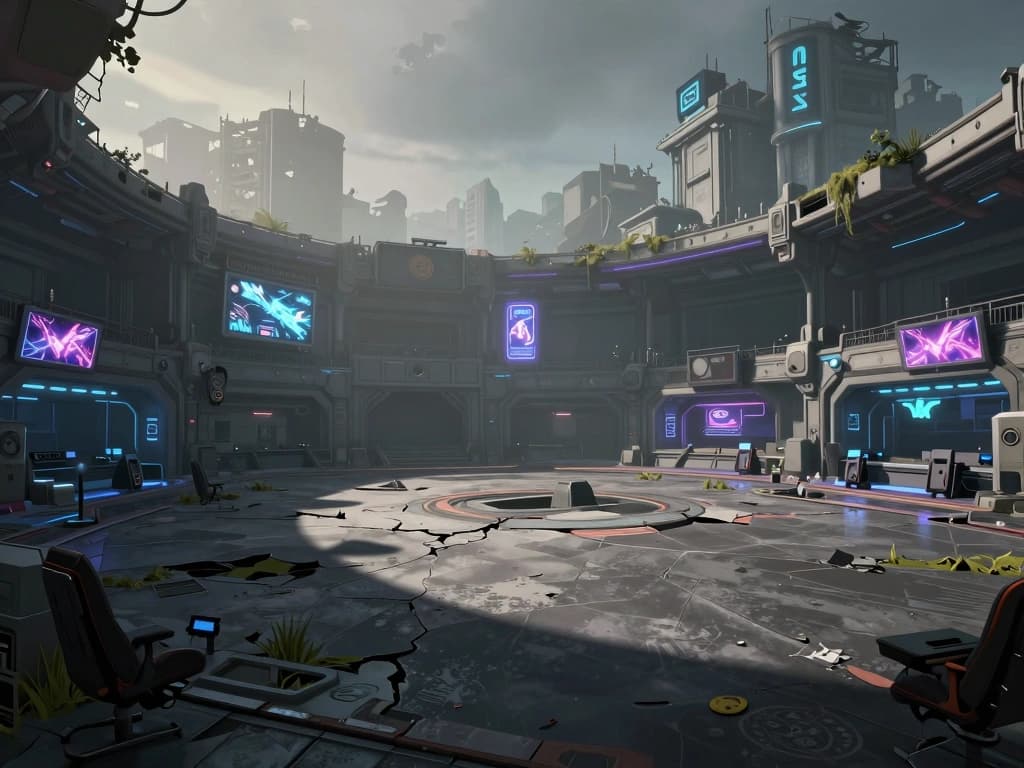
Why Live-Service Games Decline: Key Factors Behind the Fade

Market Saturation and Competition
Overcrowded Genre Landscape
The live-service game model has gained immense popularity over the past decade, becoming a dominant force in the gaming industry. Titles like Fortnite, Apex Legends, and Destiny 2 have carved out large player bases, but this success has led to an influx of similar games. As more developers attempt to capitalize on the lucrative live-service model, the market has become saturated.
This overcrowding makes it increasingly difficult for new entrants to gain traction. With so many options available, players may choose to stick with established titles, leading to a decline in active users for newer games. For instance, when Battlefield 2042 was released, it struggled to compete with the existing giants, resulting in disappointing sales and an eventual decline in player interest.
Player Fatigue from Similar Experiences
As the market becomes saturated, players often experience fatigue from similar gameplay mechanics and themes. Many live-service games rely on the same formula: battle royale formats, season passes, and repetitive events. This results in a homogenized experience that can lead to burnout. For example, while Call of Duty: Warzone offers engaging gameplay, its repetitive nature can lead players to seek variety elsewhere, contributing to a decline in its player base.
Impact of Free-to-Play Models
The rise of free-to-play (F2P) models has further complicated the landscape. While F2P games can attract a large number of players due to their accessibility, they often struggle with long-term retention. Titles like Hyper Scape started strong but quickly lost players as the novelty wore off. Players might initially be drawn in by the lack of an entry fee but may not feel invested enough to stick around for the long haul.
Content and Development Challenges
Balancing New Content with Existing Gameplay
One of the primary challenges faced by live-service games is the need to constantly deliver new content while maintaining the core gameplay experience. Developers must find a delicate balance between introducing fresh elements and ensuring that existing mechanics remain engaging. For instance, Sea of Thieves has struggled with this balance, as new updates sometimes disrupt the foundational gameplay that players love, leading to mixed reviews and decreased interest.
Resource Allocation and Budget Constraints
Developing and maintaining a live-service game requires significant resources. Many studios may not have the budget or personnel to sustain long-term updates. Anthem serves as a cautionary tale; despite high expectations and initial sales, the game ultimately failed to deliver on promised content due to resource constraints, leading to its eventual shutdown. This situation highlights how limited resources can lead to a decline in player engagement and overall game quality.
Quality vs. Quantity in Updates
As developers rush to deliver updates, the quality of content can suffer. Players have become increasingly vocal about the importance of quality over quantity. Titles like Fallout 76 faced backlash for releasing content that did not meet player expectations, resulting in a significant drop in active users. This reinforces the idea that merely pushing out frequent updates is not enough; developers must prioritize delivering meaningful and engaging content to maintain their player base.
Player Engagement and Retention Issues
Declining Daily Active Users
Player engagement is critical for the success of live-service games, and a decline in daily active users (DAU) can lead to a downward spiral. Games like World of Warcraft have experienced fluctuations in DAU due to content droughts and competition from other titles. When players see fewer of their friends online, they may be less inclined to log in themselves, further contributing to the decline.
Burnout and Loss of Interest
With constant updates and events, players can quickly experience burnout. This phenomenon is particularly prevalent in games that require significant time investment to stay competitive. League of Legends has faced criticism for its relentless pace of updates and the pressure to stay current, leading some players to take extended breaks or quit altogether. Burnout can severely impact player retention and contribute to a game’s decline.
Community Management and Player Feedback
Effective community management is crucial for sustaining player interest in live-service games. Developers must actively listen to player feedback and respond to concerns. Failure to engage with the community can lead to dissatisfaction and a sense of disconnect. Games like Destiny 2 have experienced ups and downs in player interest based on how well they have addressed community concerns, showcasing the importance of maintaining an open dialogue with players.
Monetization Strategies and Their Pitfalls
Perception of Pay-to-Win Mechanics
Monetization strategies can significantly impact a live-service game's longevity. Players often resent pay-to-win mechanics, where those who spend more money have a distinct advantage. This perception can lead to a decline in player trust and engagement. For example, Star Wars Battlefront II faced severe backlash due to its initial pay-to-win model, which ultimately led to significant changes in its monetization approach.
Impact of Microtransactions on Player Experience
While microtransactions can provide a steady revenue stream, they can also detract from the player experience. When players feel that they must spend additional money to enjoy a game fully, it can lead to frustration and resentment. Games like GTA Online have seen criticism for their aggressive monetization tactics, which can overshadow the core gameplay experience and contribute to a decline in player satisfaction.
Season Passes and Their Effect on Engagement
Season passes have become a common monetization strategy in live-service games, but their effectiveness can vary. While they can incentivize players to engage with new content, they can also create pressure to play consistently, leading to burnout. Games like Fortnite have successfully utilized season passes to encourage engagement, but other titles, such as Battlefield V, experienced player drop-off when the season pass content did not meet expectations, highlighting the fine line between engagement and overextension.
Technological and Infrastructure Limitations
Server Stability and Performance Issues
Technical issues can also contribute to the decline of live-service games. Server stability and performance problems can frustrate players and lead to negative experiences. For instance, Fall Guys: Ultimate Knockout initially struggled with server issues post-launch, which hindered player engagement. Continuous performance issues can drive players away, making them reluctant to invest time and money into a game.
Adapting to New Platforms and Technologies
The gaming landscape is constantly evolving, and developers must adapt to new platforms and technologies. Failure to do so can result in a decline in player interest. For example, Realm Royale struggled to maintain its player base after failing to adapt to the growing popularity of cross-platform play. As players migrate to newer technologies, games that do not evolve accordingly risk becoming obsolete.
Legacy Systems and Support Challenges
Many live-service games are built on legacy systems that can be difficult to update and support. As technology advances, older games may struggle to keep up, leading to performance issues and a lack of new content. Warframe has faced challenges related to its aging infrastructure, which can hinder the development of new features and content. This can contribute to player dissatisfaction and ultimately lead to a decline in active users.
In conclusion, the decline of live-service games can be attributed to a multitude of factors, including market saturation, content and development challenges, player engagement issues, monetization pitfalls, and technological limitations. As the gaming landscape continues to evolve, developers must navigate these challenges carefully to sustain their player bases and ensure the long-term success of their titles.